


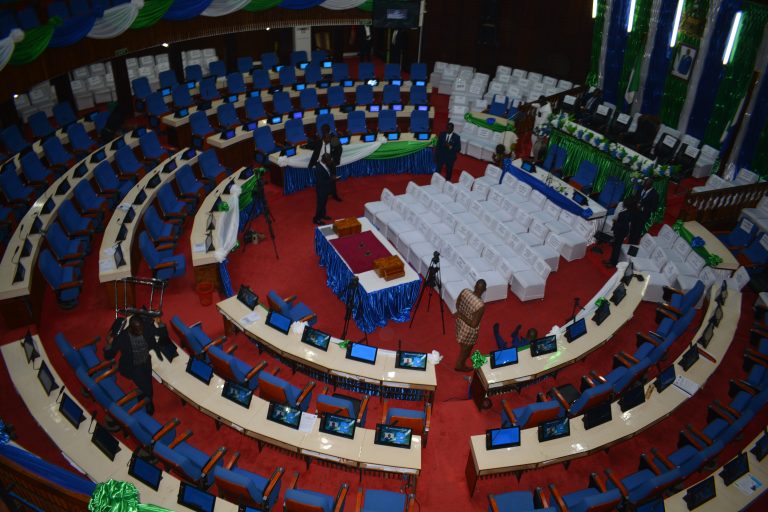
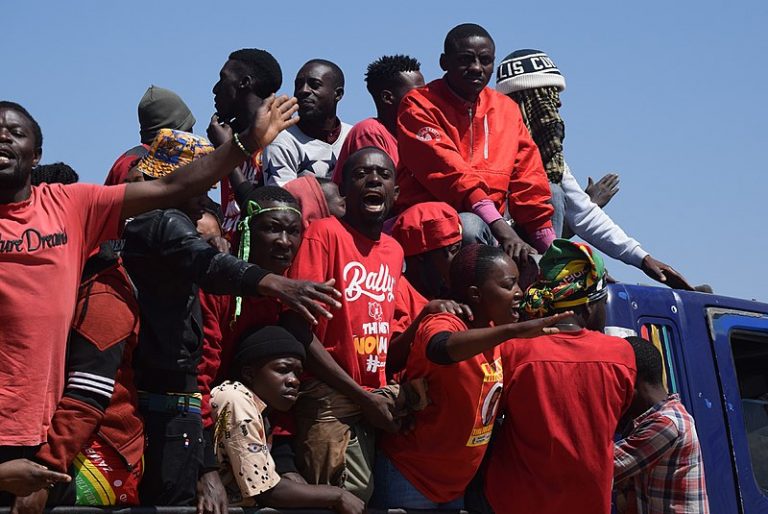


Zambia’s proposed Constitution Amendment Bill No. 7 of 2025 is being presented by the government as a step toward greater inclusion, but the details suggest something more troubling. The bill introduces a mixed-member electoral system that would keep the existing first-past-the-post framework for 211 constituency seats while adding 35 seats through proportional representation. On paper this looks progressive. In practice, however, the vague drafting, missing safeguards, and heavy discretion granted to the Electoral Commission of Zambia (ECZ) create ample space for manipulation.
Far from levelling the playing field, these reforms could harden incumbency advantage.
What makes the bill particularly dangerous is that the lack of legal clarity is not incidental, but strategic. By failing to specify how party-list votes will be translated into seats, or how thresholds and procedures will be set, the draft law hands enormous unchecked authority to a commission that many already view as politically captured. This opens the door to electoral engineering through high thresholds, selective disqualification of party lists, and post-election coalition deals that absorb smaller parties back into the ruling bloc.
This article will examine how the Mixed Member Electoral proposed in the constitutional draft bill No 7 of 2025, could potentially work as a strategic tool for electoral manipulation. It will illustrate how, if left unchecked, it can be used to rig elections, particularly through the strategic absence of legal clarity in the proposed system.
Gap 1: Undisclosed Allocation Formula
Let us start by clarifying what is being proposed.
The constitutional draft bill No 7 of 2025 would introduce a mixed-member electoral model that would combine two voting procedures. First, voters would elect 211 Members of Parliament (MPs) via the First-Past-the-Post (FPTP) system, with the candidate receiving the most votes in each constituency winning-similar to the existing system. In addition, up to 35 additional parliamentary seats would be filled via Proportional Representation (PR) based on national party lists. The reserved seats are divided as follows: 20 for women, 12 for youth, and 3 for people with impairments.
Each voter would cast a second vote for a political party, and parties would be assigned additional seats based on their total share of the second vote across the country. With insufficient constitutional safeguards in the draft bill, a de facto captured Electoral Commission of Zambia (ECZ), and a compromised political landscape, the ruling party could quietly rig the Proportional representation (PR) system, eventually undermining the benefits it claims to benefit.
Yet the methodology that ECZ is to apply in order to translate party votes into parliamentary seats is not specified in the draft Bill. To rig the election, ECZ to establish a high threshold for the proportional representation (PR) system (e.g., 5% or more of the countries national vote). It is entirely possible and lawful under the current draft Constitution Amendment Bill No. 7. With fractured opposition political parties, this could be a walkover for UPND.
Despite not winning 100% of the vote, the UPND could lawfully win almost all of the PR seats. Worst-case scenario: win all 35 reserved seats if the ECZ raises the threshold even higher. Without legislative clarity or a necessity for disclosure, ECZ could secretly choose a strategy that inflates the ruling party’s seat share, even if the vote difference is minor.
There is no legal requirement to explain this decision to the public or affected parties. Even under the current system (First Past the Post), ECZ has not always been transparent about the full vote tabulations, making it difficult for Election observers to determine whether the results are accurate. The draft law does not call for openness, consultation, or explanation, and it grants ECZ complete authority to determine the threshold.
Additionally, the law does not provide any specific legal remedies to political parties who fall short of the threshold. This wide discretion of ECZ and lack transparency creates an opportunity to rig elections.
Gap 2. Electoral Rigging by Administrative Bias
Administrative rigging doesn’t only happen through ballot-box stuffing, it also happens through unequal rule enforcement that restricts opposition participation. With vague procedural rules, ECZ could disqualify or delay opposition party lists over technicalities such as missing information, alleged late submissions, or failure to meet unclear thresholds for inclusion.
These penalties may be selectively enforced, benefiting the ruling party by reducing the number of eligible competitors in the allocation process. Since the Bill does not set clear public appeal mechanisms or transparency standards for list acceptance, this gatekeeping power can be misused without detection. This is not a theoretical concern but we have already seen it take share in the political landscape.
Gap 3. Strategic Mergers and Post-Election Coalitions as a Rigging Tactic
Under a Proportional Representation (PR) system, unlike First-Past-the-Post, parties and not individuals receive votes, making it easier to manipulate alliances after elections. Without legal limits on coalition-building, ruling parties like UPND could exploit this by encouraging small or youth-led parties to run independently, attract targeted votes (especially from women and young people), and then secretly join the ruling coalition post-election.
UPND can exploit this gap by conceiving independent candidates and smaller parties to join the UPND coalition post 2026 election. For instance, youth movements like Ichabiache led by Binwell Mpundu and the Young People’s Movement led by Musician Mulaza Kaira (popularly known as Marky II), could win seats by appealing to youth discontent. Only to later align with the ruling party.
This tactic allows the ruling coalition to use satellite or proxy parties to absorb PR votes from marginalized groups, maintaining control while appearing inclusive. It’s a subtle form of electoral rigging through post-election defection and co-optation. The UPND party would make this proposal to smaller and newer parties by offering incentives such as political appointments.
To avoid this young people will be to exercise caution on any potential offer for collaboration by the ruling party. Without constitutional or legislative measures governing post-election coalitions, prohibiting opportunistic mergers, and protecting minor parties’ ideological independence, the PR system may fail to deliver on its promises.
How (not) to introduce proportional representation
Introducing proportional representation in Zambia is not something that can be done hastily or treated as a system that can start badly and then be improved over time. If it is to be adopted, it must be done correctly the first time because even a faulty initial rollout might permanently change the political environment.
By the time citizens realize what has occurred, it may be too late to lawfully regain their country from an authoritarian ruler. With this in mind, individuals, civil society, church leaders, and the legal community must work tirelessly to avoid such a scenario and protect Zambia’s democracy.
Mzeziti Mwanza is a Governance and Elections Specialist in Zambia.


